Specialty Care Hair Removal | Euphoria Aesthetics & Laser

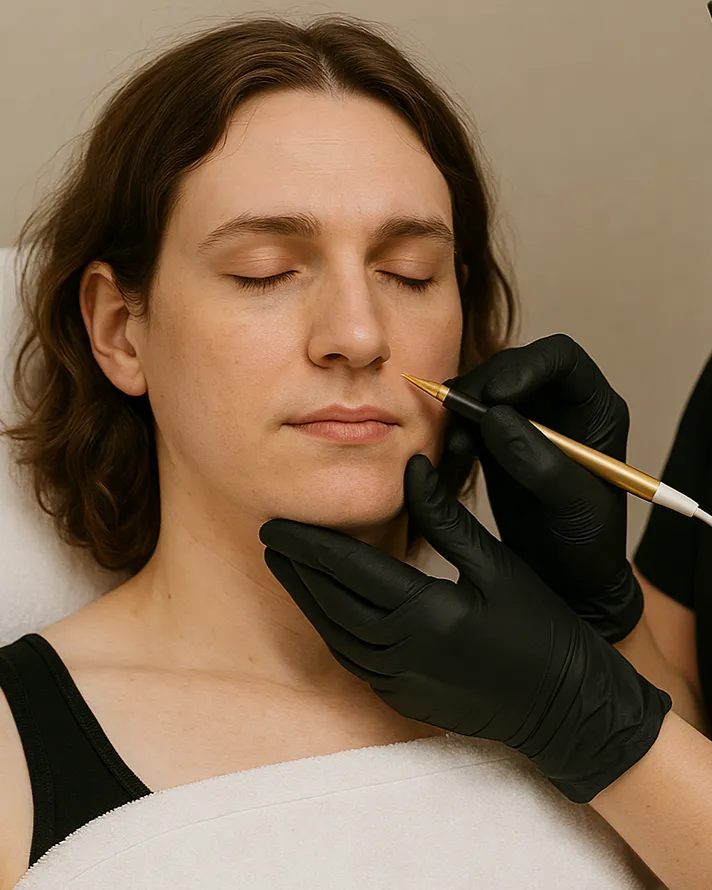
Specialty care hair removal at Euphoria Aesthetics & Laser in downtown St. Petersburg, Florida
Specialty Care Hair Removal

Privacy-First Hair Removal, Planned with Precision

Certain medical and surgical plans call for permanent hair removal in sensitive or highly specific areas. These visits require a higher level of privacy, technical precision, and communication. Specialty Care Hair Removal is designed to meet those needs—providing clinically guided treatment in a calm, professional environment where care planning and comfort come first.

Best for Pre-operative hair clearance, sensitive or highly specific areas, pigment-prone skin, and clients who prefer a discreet, consult-first experience.
Our approach Privacy-forward planning, modality selection based on candidacy, conservative settings, and skin-first technique with clear expectations.
What to expect Most plans are series-based. Timing depends on the area, density, growth cycle, and how consistently we can treat active follicles.

Note: Specialty care plans vary by goals, treatment area, and candidacy. We’ll confirm the best approach, pacing, and pre/post-care during your consultation. Results and session counts vary based on hair cycle, prior hair removal history, hormonal factors, and consistency of visits.

Pricing & Visit Options

Specialty Care Hair Removal Pricing

Specialty Care Hair Removal pricing is typically based on visit length, treatment area, and the level of technical planning required for your goals (privacy-focused care, sensitive skin, hormonal-pattern growth, and/or high-precision zones). We’ll confirm candidacy, recommend the best approach, and map a realistic schedule based on growth cycles and clearance goals.

For best results, arrive with clean skin and avoid tweezing, waxing, or threading beforehand, which can disrupt the follicle and affect planning. Shaving or trimming is usually preferred depending on the area and modality. Please disclose isotretinoin history, active skin irritation/infection, recent sun exposure, and any tendency toward keloids or pigment changes so we can tailor settings and aftercare.

Pre- & Post-Operative Hair Removal

Single Session — Starting at $120
Package of 6 — Starting at $648
Package of 8 — Starting at $864
Package of 10 — Starting at $1,080
Important: Package purchase does not automatically schedule your appointment.
You’ll book your first session after checkout.

Call (727) 244-9032 to book your first session.

Facial Hair Reduction (Gender-Affirming Care)

Single Session — Starting at $120
Package of 6 — Starting at $648
Package of 8 — Starting at $864
Important: Package purchase does not automatically schedule your appointment.
You’ll book your first session after checkout.

Call (727) 244-9032 to book your first session.

Consultation — All Hair Removal Options

Consultation $ 0
Every plan begins with clarity.

During your consultation, we assess your goals, skin type, hair density, and whether laser, electrolysis, or a blended approach is most appropriate. You’ll leave with a clear treatment roadmap and realistic expectations.
Trust & Standards

Privacy-first care, precision technique, and clear expectations

Specialty care hair removal often involves sensitive areas, higher precision, or unique goals. We prioritize respectful communication, candidacy screening, conservative settings, and practical prep/aftercare guidance so you can progress safely and consistently.

Respectful, private experience

We lead with discretion and comfort—clear communication, boundary-respectful draping, and a calm, professional environment.

Candidacy & individualized planning

We review hair/skin profile, history, and goals to choose the best approach and pace visits around growth cycles and clearance targets.

Skin-first technique

Settings and technique are tailored to reduce irritation—especially for sensitive skin, pigment-prone skin, and high-friction zones.

Prep & aftercare clarity

You’ll get straightforward guidance on what to avoid, what’s normal after treatment, and how to protect the skin between visits.

Start Here

What Specialty Care Hair Removal is designed to support

Some surgical and medical plans require permanent hair removal in specific areas prior to an operation to reduce post-operative complications and support long-term outcomes. Specialty Care Hair Removal supports patients who need pre-operative hair clearance—with planning guided by surgeon-provided timelines and treatment parameters.

Specialty care focuses on individualized planning for treatment areas that are sensitive, highly specific, or clinically time-sensitive. Your visit begins with a skin and hair assessment to confirm candidacy and map a realistic clearance schedule. When applicable, we can align the plan to surgeon-provided instructions for treatment location, hair-growth visibility, and timing prior to a procedure.

Because hair grows in cycles, pre-operative clearance is typically a series-based process. Consistent scheduling helps ensure we can treat follicles during active growth and progress steadily toward the clearance goal within the timeframe you’ve been given.

Planning priorities: protect the skin barrier, use conservative technique in pigment-prone or friction-prone zones, and maintain a calm, private experience with clear communication throughout. We also review contraindications and risk factors (recent isotretinoin history, active skin infections/irritation, tendency toward keloids, etc.).

Outcome mindset: expect progressive clearance—cleaner skin between sessions, longer intervals of regrowth, and more predictable maintenance as visits stay consistent. Temporary redness, swelling, or pinpoint scabbing can occur and typically resolves with proper aftercare.

  • Appointment timingTypically 15–60 minutes depending on area, density, and the clearance target. Pre-operative plans often start with shorter, more frequent visits.
  • Comfort & downtimeMost visits are well tolerated. Mild redness, swelling, or tenderness may occur; normal activity usually resumes the same day with proper aftercare.
  • Clearance planningPermanent hair removal is built through repeated clearances aligned with hair-growth cycles; consistency matters for staying on schedule.
  • How pricing is determinedTypically based on session length and treatment area(s), with planning guided by density, clearance goals, and any pre-operative timeline.
  • Candidacy notesAvoid tweezing/waxing/threading beforehand (it disrupts follicles and delays planning). Shaving/trimming is usually preferred by area. Disclose isotretinoin history, skin infections/irritation, recent sun exposure, and keloid tendency.
Discreet • Protocol-Aligned • Documentation Available

Pre- & Post-Operative Hair Removal Support

When a surgical plan requests hair reduction or permanent removal within a defined treatment field, we provide discreet, protocol-aligned care designed to support comfort, hygiene, and confidence—before and after surgery, when clinically appropriate.

Pre-Operative Planning

Clear goals, correct modality, and realistic timing

  • Consultation to review goals, anatomy, and the requested treatment field.
  • Method selection (laser, electrolysis, or a combination) based on hair color, density, and the area.
  • Scheduling guidance aligned with hair-growth cycles and your target completion date.
  • Documentation available upon request (dates, area treated, modality used).
Post-Operative Considerations

Only on healed skin, with clearance when needed

  • Treatment only on fully healed, intact skin and with surgical-team clearance when applicable.
  • Gentle, precision-focused care to address residual or resistant hairs.
  • Comfort-forward technique with conservative settings when appropriate.
  • Ongoing coordination for staged treatment plans as needed.
What to Send Us

Information that helps us plan efficiently

  • Area map or written boundaries for the requested treatment field (if provided).
  • Target procedure date or preferred completion date.
  • Any restrictions, precautions, or wound-care considerations.
  • Preferred contact method for coordination updates.

Note: Timing and suitability are individualized and guided by your surgical protocol. We do not treat over open wounds, active infection, or compromised skin integrity. If you are unsure whether an area is healed and ready, we recommend confirming clearance with your surgical team before scheduling post-operative treatment.

Private • Precise • Plan-Led

Specialty Care—Where Should You Start?

Use this quick guide to choose a sensible starting plan based on your main goal. We’ll confirm candidacy, customize your approach, and map a visit cadence that supports steady progress—especially for sensitive, high-privacy, or timeline-driven needs.

Planning is most predictable when follicles are intact. Avoid tweezing, waxing, or threading beforehand (it disrupts follicles). Shaving/trimming is typically preferred by area. Disclose isotretinoin history, active skin infections/irritation, and any tendency to form keloids so we can confirm the safest plan.

Suggested starting point

Start with an Assessment + One Priority Zone

Begin with a consult-first plan and a single priority area to establish comfort, technique, and cadence. We’ll then expand strategically based on your timeline, skin response, and clearance goals.

Explore Details
Privacy • Precision • Permanence • Planning

Compare Hair Removal Methods for Specialty Goals

Specialty care often benefits from choosing the right method for the job: laser can reduce hair efficiently in larger areas, while electrolysis is used for permanent precision—especially for lighter hairs, detailed zones, and timeline-driven clearance.

Hair Removal Methods — Side-by-Side Comparison
Feature
Laser
Electrolysis
Laser + Electrolysis Most Complete Results
Waxing
Shaving
How it works
Concentrated light targets pigment in follicles to reduce future growth (best when hair has pigment).
A fine probe delivers energy to disable the follicle’s growth center, one hair at a time.
Laser reduces hair broadly, then electrolysis permanently removes remaining or resistant hairs.
Removes hair from the root by pulling multiple hairs at once.
Cuts hair at the surface of the skin.
Best for
Faster coverage for larger areas with darker hair; reduction-focused results.
All skin tones and all hair colors; detail zones and permanent precision.
Guests with mixed hair types/colors or those seeking a refined, permanent finish.
Short-term smoothness; not compatible with active laser/electrolysis plans.
Quick upkeep; short-lived results.
Timeline planning
Series-based; spacing depends on area and cycle. Efficiency-focused for coverage.
Follicle-by-follicle; planning centers on consistent clearances through growth cycles.
Structured: bulk reduction first, then precision finishing to meet a “done” standard.
Immediate but temporary; interrupts follicle-based plans.
No impact on follicle; frequent upkeep.
Results durability
Long-term reduction after a series; some regrowth can occur over time.
Permanent hair removal once follicles are treated across cycles.
Reduction plus permanent finishing for remaining hairs.
Typically weeks.
Typically days.
Comfort & skin considerations
Warmth or snap sensation; brief. Aftercare focuses on calming and sun avoidance.
Varies by area; paced for comfort. Aftercare supports calm healing and barrier care.
Technique and pacing are customized by area and skin response for a comfort-first experience.
Sting plus potential irritation/ingrowns; can inflame sensitive zones.
Irritation/bumps possible, especially in friction-prone areas.
Key strength
Speed and efficiency for larger areas (when hair pigment is present).
Permanent precision for any hair color and any skin tone.
Most thorough strategy for mixed hair profiles and a “finished” outcome.
Immediate smoothness; regrowth returns.
Convenience; frequent upkeep.

Want help choosing the most appropriate plan?

We’ll confirm candidacy, review the target area(s), and recommend a plan that fits your goals and timeline— electrolysis, laser, or a combined strategy for the most complete result.

*Results and comfort vary by skin type, hair color, hormonal factors, and the area treated. Avoid waxing/plucking when actively pursuing laser or electrolysis goals, as it disrupts the follicle and complicates planning.

Timeline & Outcomes

Specialty Care Timeline — How Progress Builds

Specialty Care Hair Removal is typically series-based because hair grows in cycles and precision areas often benefit from structured pacing. This timeline maps phases (how outcomes build) with stages (how we structure clearances, finishing work, and maintenance).

Immediate Phase

Comfort-first start + skin response baseline

Stage 1 timeframe: Same-day to 48 hours

Stage 1: Calibrate & Protect Same-day–48 hours

We confirm how your skin responds and set a comfort-first approach (communication, pacing, and conservative technique in sensitive zones). Goal: clean aftercare + calm healing so future sessions stay predictable.

Mild redness, warmth, or tenderness can be normal depending on method and area. We’ll outline what to avoid (heat, friction, picking) and what supports calm recovery.

Building Phase

Repeat clearances + measurable reduction in daily maintenance

Stages 2–3 timeframe: Weeks 1–4 (establish cadence) then Months 2–12 (cycle coverage + refinement)

Stage 2: Establish Cadence Weeks 1–4

Early visits are structured to create a clean baseline and reduce “day-to-day” upkeep. Goal: consistent comfort + fewer touch-ups between sessions.

Stage 3: Cycle Coverage & Refinement Months 2–12

As more follicles become treatable across cycles, density and regrowth patterns improve. Goal: steady progress with technique choices that protect the skin barrier in sensitive or friction-prone zones.

Expect “less to treat” over time—slower regrowth, reduced density, and more predictable maintenance. Areas influenced by hormones or prior plucking/waxing may require a longer runway.

Cumulative Phase

Finish work, long-term stability, and maintenance planning

Stage 4 timeframe: Months 12+ (finish + maintenance as needed)

Stage 4: Finish & Maintain Months 12+

Remaining hairs are typically finer and more sporadic. We focus on precision and long-term stability. Goal: a “finished” result in the target area with realistic expectations for any hormonally driven new growth.

Once goals are achieved, maintenance is typically minimal and customized. We’ll also help you plan around events and milestones so the cadence stays realistic and skin-first.

Notes: timelines vary by method used (laser vs electrolysis vs combined), area size, density, prior hair-removal history (tweezing/waxing), skin sensitivity, and hormonal influences. Consistency is the lever that drives results. Avoid waxing/plucking while actively pursuing follicle-based outcomes; shaving/trimming is typically acceptable. If you notice increasing pain, swelling, warmth, drainage, or spreading redness after treatment, contact your provider.

Targets • Candidacy • Timeline Alignment

Specialty Care Hair Removal: Choosing the Right Path

Specialty Care Hair Removal is built for situations where privacy, precision, and timing matter. Whether you’re targeting technically detailed areas or working toward a pre-procedure clearance goal, we tailor the plan to your hair/skin profile and the cadence needed for steady, predictable progress.

Targets & Indications

Common goals we plan for in specialty care

Specialty care focuses on areas and scenarios that benefit from a more structured plan—often with higher sensitivity, higher visibility, or a timeline that needs to stay on track.

Pre-procedure clearancePlanning toward a clearance goal in a defined area, paced to hair-growth cycles and your timeline.
High-privacy areasCareful technique and communication for sensitive zones where comfort and discretion matter.
Precision detailingEdge work and refined shaping (facial detail zones, neckline, bikini edge refinement, etc.).
Hormonal-pattern regrowthStructured cadence for recurring growth patterns; progress improves with consistent scheduling.
Sensitive or reactive skinConservative settings and skin-first pacing for pigment-prone, friction-prone, or easily irritated skin.
Finishing workTargeted sessions for stubborn patches or “final pass” work after other methods, when appropriate.
Right Fit?

Often a strong match if you…

  • Need a plan that prioritizes privacy, consent, and clear communication.
  • Want precision-focused work in detailed or sensitive areas.
  • Are working toward a clearance milestone and want help pacing visits to stay on schedule.
  • Have reactive or pigment-prone skin and prefer conservative settings and careful aftercare.
  • Understand many goals are series-based—consistency is the biggest driver of steady progress.
Candidacy notes: avoid tweezing, waxing, or threading beforehand (it disrupts follicles and delays predictable planning). If you have a history of keloids (raised scarring), frequent follicle inflammation, or post-inflammatory hyperpigmentation (dark marks), we plan conservatively and emphasize aftercare to support calm healing.

Best next step: bring any procedure timelines or provider instructions you’ve been given (if applicable). We’ll confirm candidacy, map a practical visit cadence, and set expectations for progress based on area size, density, and hair-growth cycles.

Experience • Preparation • Aftercare • Safety

Your Specialty Care Hair Removal Care Guide

Specialty Care Hair Removal is designed for areas where privacy, precision, and skin-first technique matter. Care focuses on keeping skin calm, avoiding follicle disruption between visits, and following a consistent cadence so we can build clearances and refinement comfortably over time.

What to Expect

A respectful, comfort-first experience with outcomes built through structured sessions

Specialty care begins with a consult-first assessment: goals, area sensitivity, hair/skin profile, and any history of irritation or pigment changes. Sessions are paced for comfort and precision, especially in sensitive or highly visible zones.

  • Visit style: private, communication-forward, with clear consent and check-ins.
  • During treatment: sensation varies by method and area; we adjust pacing and technique as needed.
  • Immediately after: mild redness, warmth, or tenderness can occur; most return to normal activity the same day.
  • Results pattern: improvements build with consistency—clearer clearances, longer regrowth intervals, and refined edges/finish.
Preparation

Arrive with calm skin and the right hair state for your plan

Preparation depends on the method used (laser, electrolysis, or a combined plan). The priority is avoiding skin irritation and avoiding anything that disrupts the follicle when follicle-based methods are part of your series.

  • Avoid root removal: do not wax, tweeze, or thread if you’re pursuing follicle-based outcomes (it delays progress).
  • Shaving/trimming: follow your plan guidance—often preferred for laser; for electrolysis detail areas, we may ask you to pause briefly.
  • Clean skin: arrive without heavy lotions, oils, or occlusive products on the treatment area.
  • Reduce sensitivity: pause exfoliating acids/retinoids on the area for several days if you’re prone to irritation.
  • Disclose key history: isotretinoin use, recent sun exposure, active rashes/infections, or prior pigment/scar reactions.
Aftercare

Protect the skin barrier: minimize heat, friction, and harsh actives briefly

Aftercare is simple: keep the area clean, calm, and protected. Sensitive or friction-prone zones (inner thigh/bikini, underarms, face) benefit most from gentle routines and avoiding heat and rubbing for a short window.

  • First 24–48 hours: avoid saunas/steam/hot tubs, intense workouts, and tight friction over the area.
  • Hands off: do not pick at bumps, scabs, or texture—this increases irritation and pigment risk.
  • Gentle only: mild cleanser + bland moisturizer; avoid scrubs and strong acids for several days.
  • Sun protection: SPF on exposed areas to reduce risk of post-inflammatory hyperpigmentation.
  • Hair management between visits: follow plan guidance (often shave/trim only; avoid waxing/plucking during series).
Safety First

We plan conservatively for sensitive skin, pigment risk, and scarring tendencies

Specialty care is built around risk reduction: hygienic technique, conservative settings in pigment-prone areas, and pacing that respects skin healing. If you have a history of hyperpigmentation or keloids, we tailor technique and aftercare accordingly.

Contact us promptly if you notice spreading redness, increasing pain, warmth, significant swelling, drainage, fever, or signs of infection. Disclose active skin infections, open skin, recent peels/lasers in the same area, and any history of keloids or significant post-inflammatory hyperpigmentation. For facial areas, disclose any history of cold sores (HSV) so we can plan appropriately.

Speak with our care team.

Consultation-first guidance—clear answers, conservative planning, and natural results.

If you’re deciding between options, we’ll help you choose the right starting point and timing.

(727) 244-9032
No pressure. Quick questions welcome.
Prefer messaging? You can also send a note and we’ll respond as soon as possible.

Specialty Care Hair Removal FAQ

Pre- and post-operative coordination, inclusive and discreet care, what we can treat (and what we cannot), and how to plan hair removal within a defined treatment field.

What does “Specialty Care Hair Removal” mean at Euphoria?
Specialty Care Hair Removal is protocol-aligned, discreet support for hair reduction or removal within a defined treatment field when timing, privacy, and sensitivity matter. This may include pre-operative planning, post-operative refinement (only on healed skin), and inclusive care that prioritizes comfort and respectful communication.
Do you work with pre-operative hair removal timelines?
Yes. If your plan requires hair reduction/removal before a procedure, we can help map a timeline that fits your target date and hair-growth cycles. We can also coordinate around restricted products, skin prep, and the boundaries of the requested treatment field.
What hair removal methods do you use for Specialty Care?
Method selection depends on hair color, density, skin sensitivity, and the size/precision of the field:
  • Laser: efficient reduction for larger areas when hair pigment is a good target.
  • Electrolysis: precision removal for any hair color and detailed boundaries.
  • Combination plans: laser for bulk reduction plus electrolysis for finishing and refinement.
We confirm candidacy and recommend a plan aligned to your goals and timeline.
What do you need from me before we start?
If you have it, the following makes planning faster and more accurate:
  • Area map or written boundaries for the requested treatment field
  • Target procedure date (or desired completion date)
  • Any restrictions/precautions (wound care, skin prep, medication guidance)
  • Your preferred contact method for coordination updates
If you do not have documentation, we can still begin with a consult and create a practical plan.
Can you treat after surgery?
Post-operative treatment is considered only when the area is fully healed with intact skin and, when appropriate, after surgical-team clearance. We do not treat over open wounds, active infection, or compromised skin integrity. When cleared, we use comfort-forward technique and conservative settings as appropriate.
How do you handle privacy and discretion?
We prioritize a respectful experience: discreet scheduling support, clear consent-based communication, and a calm, clinical environment. You can tell us your preferred terminology and any comfort considerations in advance so we can support you appropriately.
Do you coordinate documentation for my surgical team?
We can provide visit dates, the area treated, and the modality used upon request. If your surgical plan requires specific wording or fields, share that requirement and we will advise what we can support.
What are the most common reasons a Specialty Care plan takes longer?
Timelines vary. The most common factors are:
  • Hair growth cycles (treatable hairs are not present all at once)
  • Prior removal methods (plucking/waxing can delay cycle-based clearing)
  • Hormonal influence (some areas can be more persistent)
  • Field precision (detailed boundaries often require slower, careful work)
We design pacing to protect skin and keep progress consistent.
Are there any situations where you will not treat?
Yes. We will not treat over open wounds, active infection, uncontrolled inflammation, or compromised skin integrity. We may also delay treatment if the area is sunburned, recently resurfaced, or otherwise not safe to treat. Your safety and skin stability come first.
How do I get started with Specialty Care Hair Removal?
Book online or call (727) 244-9032. If you have an area map and a target date, bring them—we will build a plan aligned with your protocol and comfort.