Chemical Peels
Per sessionA polished refresh for tone and texture—chosen to match your skin goals, sensitivity, and downtime preferences.
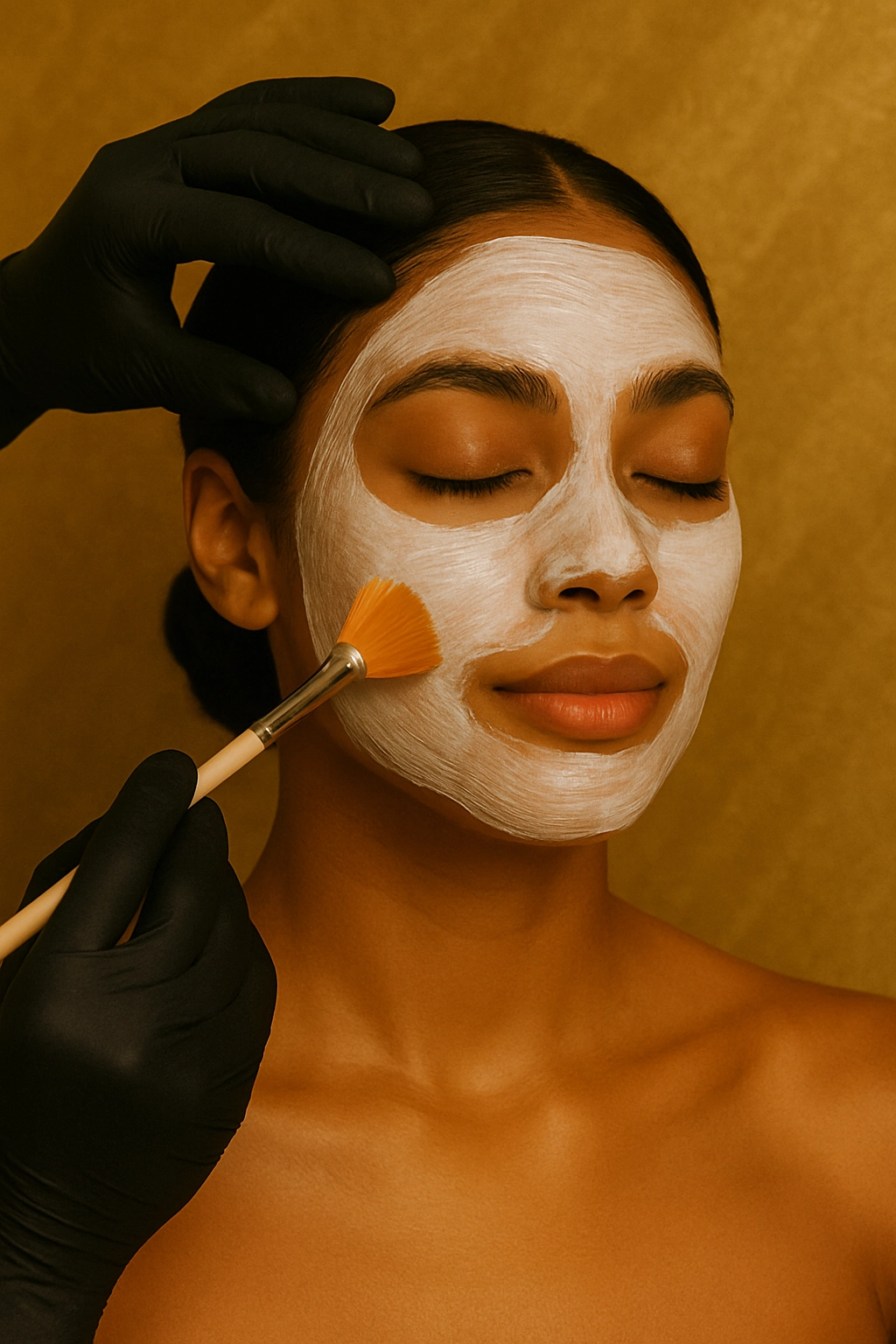
Chemical Peels are a controlled resurfacing treatment designed to encourage exfoliation and skin renewal. Depending on peel type, strength, and your skin profile, treatment may help improve the look of tone, texture, congestion, and fine lines—using a conservative, provider-guided approach with expectations set upfront.
Note: Peel type and protocol are selected based on candidacy, skin type, current skincare, and timing (including sun exposure and upcoming events). We’ll review goals, medical history, and an appropriate care plan before confirming treatment specifics and pricing.
Select a single peel or a series plan based on your skin goals, peel depth, and preferred pacing for visible refinement.
Your provider will confirm candidacy and recommend the appropriate peel type and schedule based on your skin history, sensitivity, and target concerns.
A polished refresh for tone and texture—chosen to match your skin goals, sensitivity, and downtime preferences.
A glow-up combo: peel + precision tox planning. Final pricing is confirmed at your visit based on your recommended tox dosing.
Meet your provider, review peel options, and leave with a clear plan for your skin goals and timing.
Explore complementary options—or return to the parent category to compare treatments side-by-side.
Compare treatments side-by-side to find the best match for your skin goals and downtime preferences.
Compare all Skin Health servicesChemical peels are technique- and timing-sensitive. We prioritize candidacy-first planning, conservative progression, and clear pre- and post-peel guidance to support predictable healing.
We review skin history, goals, and current skincare to select an appropriate peel depth and schedule.
When in doubt, we step up gradually—layering and strength are chosen to match your tolerance and timeline.
Preparation and aftercare are built to protect the barrier and reduce avoidable irritation, PIH risk, and setbacks.
Clear instructions on what to use, what to avoid, and when to reach out—especially for redness or unexpected sensitivity.
Chemical Peels use carefully selected acids to support controlled exfoliation and skin renewal. When matched to your skin type and goals, treatment may help brighten tone, refine texture, and improve the appearance of congestion or fine lines—within a conservative, provider-guided plan.
Chemical peels may be a strong fit when you want a more even, refreshed-looking complexion—often focused on dullness, visible texture, congestion, or post-acne marks, depending on candidacy.
We plan conservatively. Peel depth and timing are chosen around your sensitivity, current skincare, and downtime preference—then adjusted based on how your skin responds before increasing intensity.
Planning priorities: skin type alignment, barrier support, and sun-smart scheduling. We also review retinoids, acids, recent treatments, and medications that can influence what is recommended.
Refined finish: resurfacing works best with realistic expectations and consistent aftercare—so improvement looks natural, not overtreated.
Use this quick guide to understand typical starting points. Your provider will confirm candidacy, choose the safest peel type, and set expectations for timing and aftercare based on your skin history and sensitivity.
Peel depth and active ingredients vary. Your provider will review current skincare (including retinoids/acids), recent procedures, sensitivity, and downtime preferences before selecting a peel and schedule.
Often selected for brightness and a smoother look with minimal downtime. Your provider will confirm the best peel type for your skin.
Chemical peels vary by formulation and depth. This comparison summarizes typical differences in sensation, downtime, and use-cases—so we can align the right level of renewal with your skin goals and tolerance.
Book your visit and we’ll confirm candidacy, review your skincare and sun exposure, and map a conservative plan that aligns with your goals and downtime tolerance.
Notes: comfort, peeling, and downtime vary based on formulation, layer count, application time, skin sensitivity, and your current skincare routine (including retinoids/acids). Final selection is provider-guided.
Chemical peels support renewal by accelerating controlled exfoliation. Timing and visible peeling vary by peel depth, formulation, skin sensitivity, and adherence to aftercare—your plan is always provider-guided.
Immediate response & settling
Common range: same day–72 hours
Mild warmth, tingling, or tightness can occur shortly after treatment. Redness and dryness are common early signals. For sensitive skin, the first 24–48 hours is typically the focus: gentle cleansing, barrier support, and sun avoidance.
Flaking / peeling window
Common range: ~Day 2–Day 7 (depth-dependent)
Many clients see the most noticeable shedding in this phase—often around the mouth, chin, or nose first. Medium-depth peels may extend this window and can include more visible peeling and temporary sensitivity, depending on skin type and pre-treatment preparation.
Tone, clarity, and texture support
Common range: ~Day 7–Day 14 (and beyond)
As barrier function normalizes, skin often looks brighter and more even. For pigmentation or acne-pattern support, outcomes may build across a series. Your provider may recommend spacing and peel selection to match sensitivity and goals.
Important: Recovery and results vary based on peel depth, formulation, skin tone (Fitzpatrick type), current skincare (including retinoids and exfoliating acids), sun exposure, and aftercare adherence. We’ll confirm candidacy and recommend the appropriate strength and schedule before treatment.
Chemical peels are best when the goal is skin clarity, tone, and texture refinement—with a plan matched to your skin type and downtime comfort. Your provider will confirm the most appropriate peel depth, timing, and pairing options for your goals.
Targets vary by peel type, depth, skin type, and your current routine. The targets below describe typical planning goals.
Best next step: a consultation to confirm peel type and depth, review your routine (including retinoids/exfoliants), and align on a safe timeline.
Clear expectations and conservative guidance—so your peel plan feels simple, premium, and provider-led. Instructions may vary by peel type, depth, skin sensitivity, and your current skincare routine.
Most peels are quick and structured. Your provider will select the peel type, contact time, and neutralization approach based on your skin and goals.
Peel safety depends heavily on your recent skincare and sun exposure. Follow your provider’s instructions first, especially if you use prescription topicals.
Tightness, dryness, and visible peeling can occur and varies by peel depth and individual sensitivity. Your provider will give product and timing guidance at your visit.
Chemical peels are safe when properly selected and performed—but depth, skin type, and recent skincare matter. Your provider will confirm candidacy and choose the most conservative option that matches your goal.
Many clients build results by pairing skin-quality services thoughtfully. Your provider will confirm what fits your skin type, recent treatments, and desired downtime.
Refine
Often used to support smoother texture and a more even surface feel. Your provider will advise safe timing relative to peels.
Polish
A mechanical exfoliation option that may be appropriate for select goals. We help you choose between physical vs chemical pathways.
Reset
A hydrating, glow-forward option that can complement a peel plan depending on sensitivity, timing, and barrier status.
Texture
Often considered when texture, scars, or collagen support is a priority. Your provider will advise sequencing with peels for safety.
Soothe
A comfort-forward add-on that may support a calm post-treatment experience in appropriate cases, especially for sensitivity-prone skin.
Plan
If you’re deciding between peel strengths, protocols, or pairing options, a consultation helps align goals, timing, and skincare guidance.
Note: If you are using retinoids, exfoliating acids, or have had recent laser or resurfacing, your provider will confirm whether a peel is appropriate now or if a different pathway is safer for your skin barrier and timeline.
Browse real transformations and subtle refinements across treatment types. Individual outcomes vary.
Consultation-first guidance—clear answers, conservative planning, and natural results.
If you’re deciding between options, we’ll help you choose the right starting point and timing.
Call (727) 244-9032Learn how professional chemical peels work, what concerns they treat, how to prepare, and how to care for your skin after treatment.