Dermaplaning & Microdermabrasion | Euphoria Aesthetics & Laser

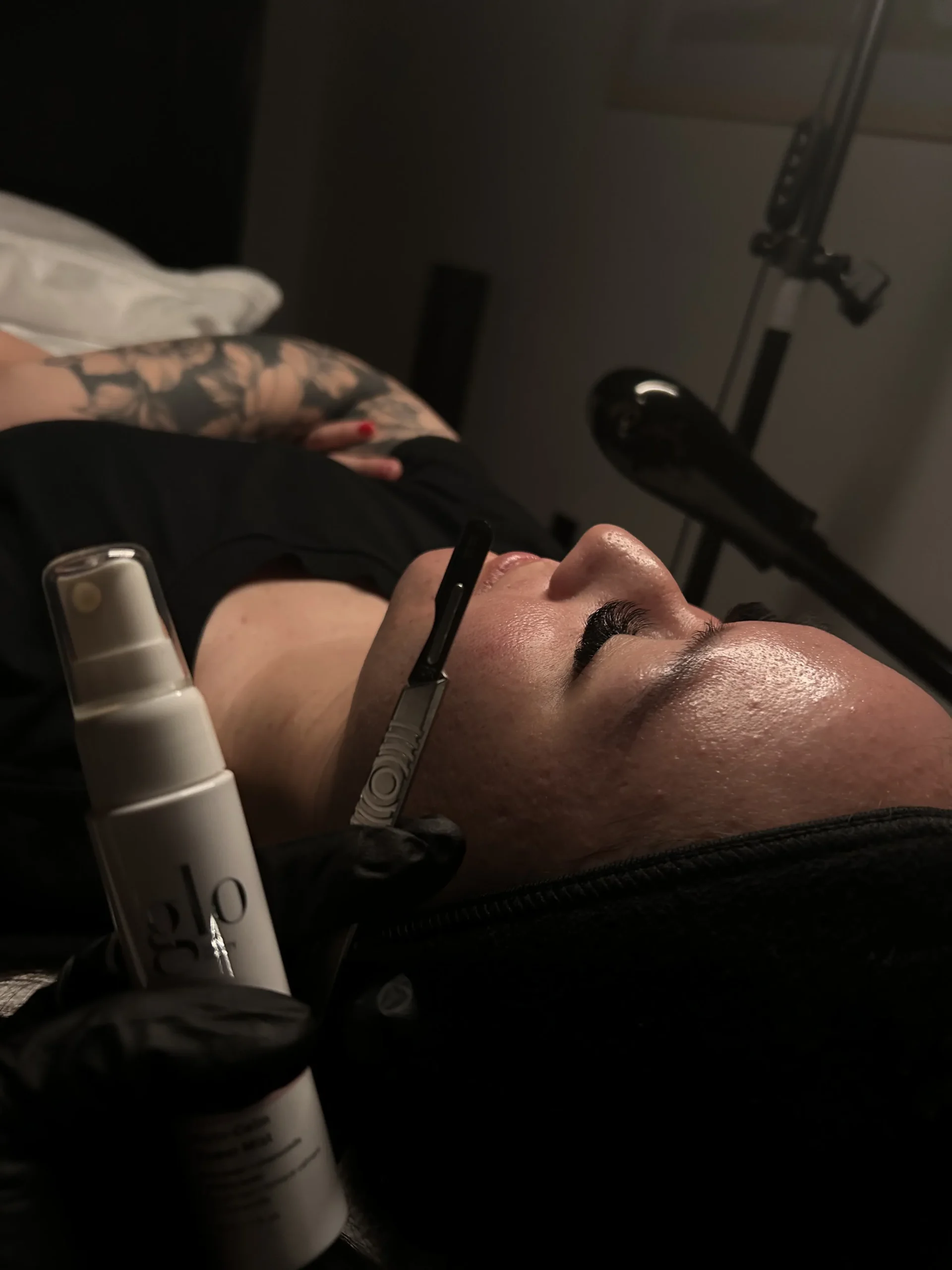
Luxury dermaplaning and microdermabrasion treatment setting at Euphoria Aesthetics & Laser in downtown St. Petersburg, Florida
Skin Health

Smooth, Brighten, And Polish

Dermaplaning and Microdermabrasion are precision exfoliation treatments designed to refine the surface of the skin—helping reduce the look of rough texture, dullness, and buildup for a cleaner, more luminous finish. We tailor intensity and technique to your skin’s sensitivity and goals, so results look natural, even, and “event-ready” without an over-treated appearance.

Best for Dullness, rough texture, congestion, makeup sitting unevenly, and clients who want a smooth, polished look with a refreshed glow.
Comfort & downtime Quick and well-tolerated. Most clients return to normal activities immediately; mild pinkness or sensitivity is possible and typically resolves quickly.
What it supports Smoother-looking skin, brighter tone, improved product absorption, and a more refined finish. Series plans may help maintain results; outcomes vary.

Note: Please disclose active breakouts, open lesions, recent peels/laser, prescription exfoliants (including retinoids), recent waxing, and any sensitivities or allergies so we can confirm candidacy and select the safest exfoliation protocol.

Pricing & Treatment Options

Dermaplaning & Microdermabrasion Pricing

Choose the exfoliation style that fits your skin today—Dermaplaning for ultra-smooth “peach fuzz” removal and glow, or Microdermabrasion for a deeper polish that targets texture and congestion.

Your provider will confirm candidacy and recommend the safest intensity for your skin type, sensitivity, and goals. Optional enhancements and treatment focus may affect final pricing.

Dermaplaning

Starting at
$75

A gentle exfoliation that removes peach fuzz and dull surface buildup for smoother texture and a brighter, makeup-ready glow.
Microdermabrasion

Starting at
$85

A polishing treatment that refines roughness and uneven tone to reveal fresher, smoother-looking skin with improved radiance.

Consultation — Skin Health

$0

Meet your provider, review concerns, and leave with a clear plan for the right exfoliation approach and next steps.

Trust & Standards

Precise exfoliation—polished results without over-treatment

Dermaplaning and Microdermabrasion work best when they’re selected intentionally and performed with controlled technique. We prioritize skin assessment, conservative exfoliation intensity, and barrier-friendly finishing steps—supporting smoother-looking, brighter skin with a calm, luxury experience.

Skin-first assessment

We review sensitivity, recent actives/procedures, and your goals (texture, congestion, glow) to select the safest exfoliation approach.

Controlled technique

Methodical passes and calibrated pressure help refine texture while minimizing irritation—especially for reactive or dry skin types.

Clean, consistent protocol

Sanitized tools, professional-grade products, and repeatable sequencing support comfort, safety, and consistent outcomes.

Maintenance guidance

We’ll recommend a cadence based on your skin cycle—single-session polish or a series plan to help maintain smoothness and clarity.

Start Here

What dermaplaning & microdermabrasion are designed to support

Dermaplaning and Microdermabrasion support smoother-looking, brighter skin through controlled surface exfoliation. They’re ideal when you want visible polish, refined texture, and a more even finish—especially when scheduled on a consistent cadence.

These treatments may be a strong fit when you want professional-grade exfoliation to help lift buildup, refine rough texture, and support a clearer, more luminous appearance—without aggressive downtime.

Your visit is planned around your skin type, sensitivity, and goals. We’ll guide you toward Dermaplaning (precision manual exfoliation) or Microdermabrasion (mechanical resurfacing) based on tolerance, congestion level, and desired finish.

Planning priorities: selecting the right exfoliation intensity, protecting the skin barrier, and finishing with hydration and calming steps. We also account for sensitivity, active breakouts, and any recent procedures before confirming the safest approach.

Maintenance mindset: many clients use these as a “polish” treatment—single-session refresh before events, and a series cadence to help maintain smoothness, clarity, and consistent glow.

  • Appointment timingTypically 30–60 minutes depending on whether you choose Dermaplaning, Microdermabrasion, and any enhancements.
  • Comfort & downtimeQuick and well-tolerated. Mild temporary pinkness or sensitivity is possible; most return to normal activities immediately.
  • When you’ll notice changesMany notice smoother texture and brighter tone right away; clarity and refinement often build with consistent scheduling.
  • Series planningOften scheduled every 3–6 weeks (goal-based cadence) to support ongoing texture refinement and maintenance.
  • Candidacy notesPlease disclose retinoid use, recent peels/laser, recent waxing, active cold sores, open lesions, and allergies/sensitivities so we can select the safest protocol.
Smooth • Brighten • Polish

Dermaplaning or Microdermabrasion—Where Should You Start?

Use this quick guide to choose the right exfoliation starting point based on your primary goal. Your provider will confirm skin type and sensitivity, select the safest intensity, and recommend a cadence (single session or series) aligned to your timeline.

Please disclose retinoid use (including tretinoin/Retin-A), recent peels/laser, recent waxing, active cold sores, open lesions, and allergies/sensitivities so we can confirm the safest exfoliation protocol for your skin.

Suggested starting point

Dermaplaning — Smooth & Polish Refresh

A precision, manual exfoliation option designed to lift surface buildup for a smoother-looking finish—ideal when you want instant polish and a makeup-ready feel.

Explore Details
Smooth • Texture • Downtime • Intensity

Compare Exfoliation Options

Dermaplaning and microdermabrasion are both exfoliation-focused, but they work differently and suit different goals. Use this comparison to align the method to your timeline, sensitivity, and desired level of visible refinement.

Dermaplaning & Microdermabrasion — Side-by-Side
Feature
Dermaplaning
Microdermabrasion
Hydrofacial
Chemical Peel
Primary Focus
Manual exfoliation to lift surface buildup and vellus hair for immediate polish.
Mechanical resurfacing that targets texture and visible buildup with controlled passes.
Device-based cleanse/exfoliation plus hydration-focused infusion for glow and clarity.
Resurfacing intensity varies; supports tone/texture concerns through controlled exfoliation over time.
Sensation
Light “scraping” feel; typically comfortable with proper technique.
Mild abrasion and suction; intensity can be adjusted for comfort.
Gentle suction and serum flow; usually well-tolerated.
May tingle or feel warm depending on peel type, strength, and sensitivity.
Downtime
Minimal. Avoid aggressive actives immediately after; follow aftercare.
Minimal to mild. Temporary redness or dryness can occur.
Minimal. Mild redness possible; follow same-day guidance.
Varies. Light peels may be minimal; medium-depth peels can involve visible peeling.
When Results Show
Often immediate smoothness and brighter-looking finish (great pre-event).
Often noticeable smoothness after; refinement builds with cadence.
Often immediate glow and hydration; maintenance supports consistency.
Builds over days to weeks as exfoliation and skin renewal progresses.
Often Best Suited For
Instant polish, makeup-ready smoothness, and visible surface buildup support.
Rough texture, visible buildup, and clients who want a device-guided resurfacing approach.
Hydration + clarity goals when you want device-assisted cleansing and infusion.
Tone/texture concerns where downtime tolerance and candidacy support a peel pathway.

Not sure which exfoliation method fits your skin?

Book your visit and we’ll review your goals, sensitivities, and timeline—then recommend a conservative approach. Many clients start with a gentler polish (dermaplaning or hydrofacial) and progress to deeper resurfacing when appropriate.

Notes: comfort, downtime, and visible changes vary by skin type, technique, product selection, and adherence to aftercare. Final modality selection, sequencing, and medical appropriateness are provider-guided.

Timeline & Outcomes

Dermaplaning Timeline — How Results Build

Dermaplaning is a manual exfoliation technique designed to support an instant smoother, brighter-looking finish. This timeline maps phases (what you notice) with stages (how we structure your plan).

Immediate Phase

Makeup-ready polish + immediate smoothness

Stage 1 timeframe: Same-day to 72 hours

Stage 1: Instant Smooth & Glow Same-day–72 hours

The goal is a refined surface and soft glow with minimal downtime. Visible: smoother-looking texture and improved product glide for skincare and makeup.

Mild temporary pinkness can occur. Gentle cleansing, hydration, and sunscreen help protect the finish.

Building Phase

Smoother texture stays more consistent

Stages 2–3 timeframe: Weeks 1–4 (foundation), then Weeks 4–6 (momentum)

Stage 2: Foundation Cadence Weeks 1–4

Repeat visits help keep the surface refined and reduce visible buildup. Visible: steadier glow and a smoother feel between sessions.

Stage 3: Series Momentum Weeks 4–6

Clients often notice easier maintenance and more predictable polish. Visible: consistently smoother-looking texture with a brighter finish.

Cadence is individualized. Your provider will confirm spacing based on sensitivity, recent actives (retinoids), and your goals/timeline.

Cumulative Phase

Maintenance rhythm for ongoing polish

Stage 4 timeframe: Weeks 6–8+ (maintenance planning begins)

Stage 4: Maintenance Rhythm Weeks 6–8+

After a foundation series, spacing typically shifts to maintenance. Visible: steadier smoothness with fewer “reset” moments needed.

Many clients schedule maintenance around events, travel, or photos for predictable smoothness and glow.

Notes: dermaplaning is a cadence-dependent exfoliation modality. Best results are supported by hydration, barrier-friendly care, and daily sunscreen. Please disclose retinoid use, recent peels/laser, active irritation, or open lesions so we can confirm the safest timing.

Timeline & Outcomes

Microdermabrasion Timeline — How Results Build

Microdermabrasion often delivers an immediate smoother feel, then improves with consistent cadence. This timeline maps phases (what you notice) with stages (how we structure your plan).

Immediate Phase

Fresh polish + smoother-looking surface

Stage 1 timeframe: Same-day to 72 hours

Stage 1: Immediate Smooth & Bright Same-day–72 hours

A controlled, device-based exfoliation designed to refine the outermost layer. Visible: softer-looking texture, brighter appearance, and improved product absorption.

Mild temporary pinkness and a “tight” feeling can occur. Hydration, gentle cleanser, and daily sunscreen help protect the finish.

Building Phase

Clarity and texture look more consistent

Stages 2–3 timeframe: Weeks 1–4 (foundation), then Weeks 4–6 (momentum)

Stage 2: Foundation Cadence Weeks 1–4

Repeat sessions help reduce visible buildup and support a more even-looking finish. Visible: steadier smoothness and a more consistent glow between visits.

Stage 3: Series Momentum Weeks 4–6

With continued cadence, results often feel easier to maintain. Visible: improved clarity and a more polished appearance that lasts longer between sessions.

Microderm is typically scheduled on a cadence. Your provider will tailor intensity and spacing based on sensitivity, congestion, and your goal (glow vs texture refinement).

Cumulative Phase

Maintenance rhythm to sustain results

Stage 4 timeframe: Weeks 6–8+ (maintenance planning begins)

Stage 4: Maintenance Rhythm Weeks 6–8+

After a foundation series, spacing typically shifts to maintenance. Visible: steadier smoothness and glow with fewer “reset” sessions needed.

Maintenance cadence is individualized. Many clients schedule refresh visits monthly or around events to keep texture and glow consistent.

Notes: microdermabrasion is a controlled mechanical exfoliation—results are best preserved with gentle aftercare, barrier support, and daily sunscreen. Your provider will confirm appropriate intensity and spacing, especially if you use retinoids, have active irritation, or are combining with peels/laser.

Dermaplaning vs. Microderm • Targets • Right Fit

Which Exfoliation Pathway Fits Your Skin?

Dermaplaning and microdermabrasion are both exfoliation-forward treatments designed to support a smoother-looking finish, improved radiance, and better product performance. The best choice depends on skin sensitivity, congestion, and how “active” you want the session to feel.

Targets & Typical Goals

What these treatments are designed to support

Both pathways can support visible smoothness and glow. These are common planning targets we align around during skin assessment.

Texture smoothingHelps reduce the look and feel of roughness and visible buildup.
Brighter appearanceSupports a refreshed look by clearing surface dullness.
Makeup-ready finishOften chosen ahead of photos, events, and travel weeks.
Product performanceHelps skincare apply more evenly and absorb more effectively.
Congestion supportCan help address visible buildup; approach depends on sensitivity and pores.
Cadence consistencyBest results usually come from repeat visits and good home care.
Quick Compare

Dermaplaning

Best known for: instant smoothness + removal of vellus hair (“peach fuzz”) for a polished finish.

Session feel: light manual exfoliation; typically very comfortable and spa-forward.

Microdermabrasion

Best known for: mechanical exfoliation that can feel more “active,” often selected for texture + congestion support.

Session feel: device-based polishing; sensation varies by pass intensity and skin sensitivity.

Right Fit?

A strong match depending on your priorities

Use the guidance below as a starting point. Your provider will confirm skin type, sensitivity, and recent skincare/procedures before selecting intensity.

  • Choose Dermaplaning if you want the smoothest, most makeup-ready finish and you like a calm, spa-like session.
  • Choose Microdermabrasion if you want a more “polishing” exfoliation feel and you’re targeting texture and visible buildup.
  • If you’re reactive or easily irritated, we typically keep intensity conservative and may start with the gentler-feeling option.
  • If your primary concern is congestion + pores, we may lean microderm (or pair exfoliation with a clarifying facial pathway).
  • If you have an upcoming event, we’ll plan timing so skin looks refined and comfortable (and avoid over-exfoliation).
Candidacy matters: exfoliation services may be deferred or modified with active irritation, open lesions, sunburn, active cold sores, recent aggressive exfoliation/peels/laser, or certain prescription topicals. Please disclose retinoid use (tretinoin/Retin-A), waxing/shaving timing, and any sensitivity history so we can select the safest protocol.
Sequencing note: these pathways can be rotated within a broader skin-health plan. If your goals include tone, breakouts, or more intensive resurfacing, we may sequence exfoliation with hydration, barrier support, or peel/device options based on tolerance and downtime preferences.
Experience • Preparation • Aftercare • Safety

Your Dermaplaning Care Guide

Dermaplaning is a manual exfoliation treatment designed to remove surface buildup and vellus hair for a smoother, makeup-ready finish. It’s often chosen when you want immediate polish with minimal downtime—then repeated on a cadence for consistent texture support.

What to Expect

Immediate smoothness and “glass-skin” polish—especially for makeup

Dermaplaning uses a sterile blade and precise technique to remove dead skin cells and vellus hair. Most clients notice an instantly smoother feel, brighter-looking finish, and improved product glide. Comfort is typically high when skin is calm and technique is appropriate.

  • Comfort level: light scraping sensation; generally very tolerable.
  • Visible finish: smoother-looking texture, brighter appearance, makeup sits more evenly.
  • Short-term: mild temporary pinkness is possible; most resume normal activity immediately.
Preparation

The best dermaplaning outcome starts with calm skin

Dermaplaning is most comfortable and effective when the skin barrier is not irritated. Preparation is primarily about disclosing active skincare ingredients and recent procedures so we can avoid over-exfoliation.

  • Disclose retinoids (including tretinoin/Retin-A) and exfoliating acids—timing may need adjustment.
  • Avoid waxing/depilatories on the face immediately before your visit.
  • Share recent treatments (peels, laser, aggressive facials) so we can sequence safely.
  • Tell us your goal (event-ready vs. routine) so we can pace technique and add-ons appropriately.
Aftercare

Protect the refined surface and keep skincare gentle

After dermaplaning, skin can feel very smooth and more receptive to products. Aftercare is primarily about hydration, barrier support, and sun protection so you maintain an even, comfortable finish.

  • Hydrate + support barrier: gentle moisturizer and calming products as directed.
  • SPF matters: daily sunscreen supports a brighter, more even-looking result.
  • Pause strong actives briefly if you’re prone to irritation (retinoids/acids) per provider guidance.
  • Makeup timing: many can wear makeup shortly after; follow your provider’s instructions.
Safety First

Not for irritated skin—screening prevents avoidable reactions

Dermaplaning is not performed on compromised skin. Your provider will screen for irritation, active lesions, infection, and recent intense exfoliation to ensure safety and comfort.

We may delay or modify dermaplaning with active acne inflammation, open lesions, sunburn, active cold sores, or significant irritation. Please disclose prescription topicals (especially retinoids), sensitivity history, and recent procedures so we can select the safest pathway and timing.
Experience • Preparation • Aftercare • Safety

Your Microdermabrasion Care Guide

Microdermabrasion is a mechanical exfoliation treatment designed to polish the skin’s surface for a smoother-looking finish and refreshed glow. Results often feel most consistent with a cadence—your provider will tailor intensity and frequency to sensitivity and goals.

What to Expect

A more “polishing” exfoliation feel with immediate smoothness

Microdermabrasion uses a specialized device to exfoliate the outermost layer of skin. Most clients notice a cleaner, smoother feel and a brighter-looking finish right away. Intensity is adjustable, so comfort and sensitivity are always considered.

  • Comfort level: mild to moderate “sanding/polishing” sensation; adjustable by pass intensity.
  • Visible finish: smoother-looking texture, refreshed glow, improved product glide.
  • Short-term: mild pinkness or tightness can occur and typically resolves quickly.
Preparation

Arrive with calm skin and disclose actives

The most important step is letting us know what your skin has recently been exposed to, so we can select a safe intensity and avoid stacking too many exfoliation variables at once.

  • Pause aggressive actives if you’re sensitive (retinoids, exfoliating acids) as directed by your provider.
  • Disclose recent treatments (peels, laser, waxing, strong exfoliation) so we can time microderm appropriately.
  • Avoid sunburn or significant irritation—reschedule if skin is compromised.
  • Tell us your timeline (event vs. routine plan) so we can pace intensity and recovery.
Aftercare

Hydrate, protect, and avoid over-exfoliation

After microdermabrasion, skin can be more receptive. Aftercare focuses on barrier support and sun protection so the finish stays comfortable and even-looking.

  • Hydration + barrier support: use gentle moisturizers and calming products as directed.
  • SPF is non-negotiable: daily sunscreen helps protect the refined surface.
  • Avoid aggressive actives for a short window if advised (retinoids/acids/scrubs).
  • Heat & sweat: avoid excessive heat/steam immediately after if you flush easily.
Safety First

Screening ensures we choose the right intensity

Microdermabrasion is generally straightforward, but it is not performed on compromised skin. Your provider will screen for irritation, infection, and recent exfoliation so we can select the safest approach—or recommend an alternate pathway.

We may delay or modify microdermabrasion with active cold sores, open lesions, sunburn, significant inflammation, recent medium-depth peels/laser, or if you are currently very reactive. Please disclose prescription topicals, sensitivity history, and any recent procedures so we can plan safely.

Speak with our care team.

Consultation-first guidance—clear answers, conservative planning, and natural results.

If you’re deciding between options, we’ll help you choose the right starting point and timing.

(727) 244-9032
No pressure. Quick questions welcome.
Prefer messaging? You can also send a note and we’ll respond as soon as possible.

Dermaplaning & Microdermabrasion FAQs

Two distinct exfoliation pathways—answered clearly. Use the sections below to find the right fit for your goals, sensitivity, and cadence.

What is dermaplaning, exactly?
Dermaplaning is a manual exfoliation technique that gently removes dead surface cells and fine vellus hair (“peach fuzz”) using a sterile, single-use blade. The result is a smoother-looking finish and improved product and makeup application.
Will the hair grow back darker or thicker?
No. Dermaplaning does not change hair color, thickness, or growth rate. Vellus hair typically grows back as it was before— you may notice it more simply because the surface is smooth again.
Is dermaplaning safe for acne-prone skin?
It depends. Dermaplaning is generally avoided over active inflamed acne or open lesions to prevent irritation. If you’re acne-prone but not actively inflamed, your provider may adjust technique or recommend another exfoliation pathway.
How often should I do dermaplaning?
Many clients schedule every 4–6 weeks depending on sensitivity, hair regrowth, and whether they are pairing with facials, masks, or other skin health services. Your provider will confirm your best cadence.
Any downtime or aftercare restrictions?
Downtime is typically minimal. Expect possible mild pinkness or sensitivity for a short period. Prioritize hydration and daily sunscreen, and avoid aggressive exfoliating acids/retinoids for the window your provider recommends.
What does microdermabrasion do?
Microdermabrasion is a mechanical exfoliation treatment that polishes the outermost layer of skin to help improve the look of texture, surface dullness, and visible buildup. It is often chosen when you want a series approach for ongoing clarity.
Does microdermabrasion hurt?
Most clients describe microdermabrasion as a gritty polish or mild suction sensation—generally very tolerable. Your provider can adjust intensity based on sensitivity and goals.
Who is a good candidate?
Many skin types can benefit, but microdermabrasion may be deferred if you have active irritation, sunburn, or certain inflammatory skin conditions. Your provider will confirm whether microderm is appropriate—or recommend a gentler pathway.
How many sessions do I need?
Many clients start with a short series (often spaced every 2–4 weeks depending on skin tolerance), then transition to maintenance. Your plan will be based on baseline congestion, texture goals, and your home routine.
What should I avoid before/after?
Avoid heavy exfoliation right before your visit. After treatment, keep skincare gentle, use SPF, and pause stronger actives (retinoids/acids) for the timeframe your provider recommends—especially if you are sensitive.